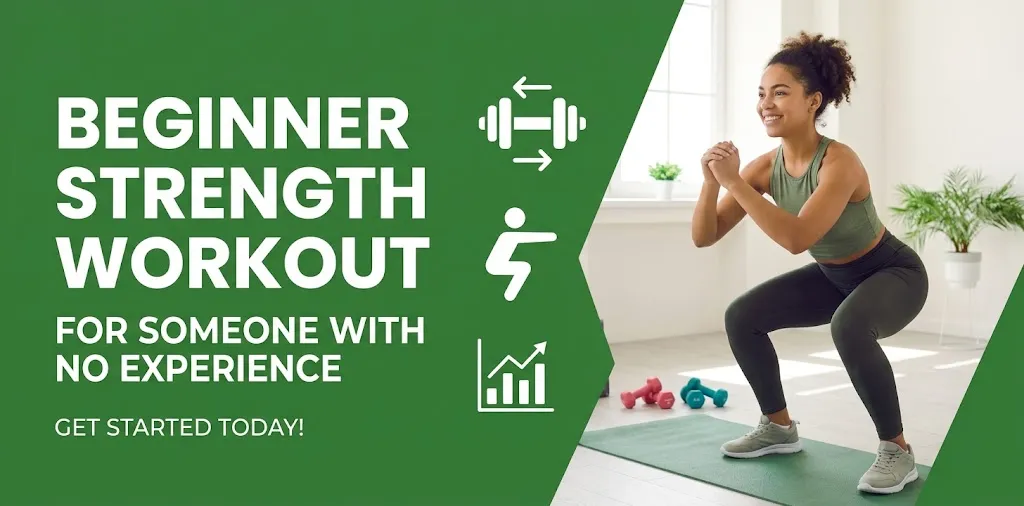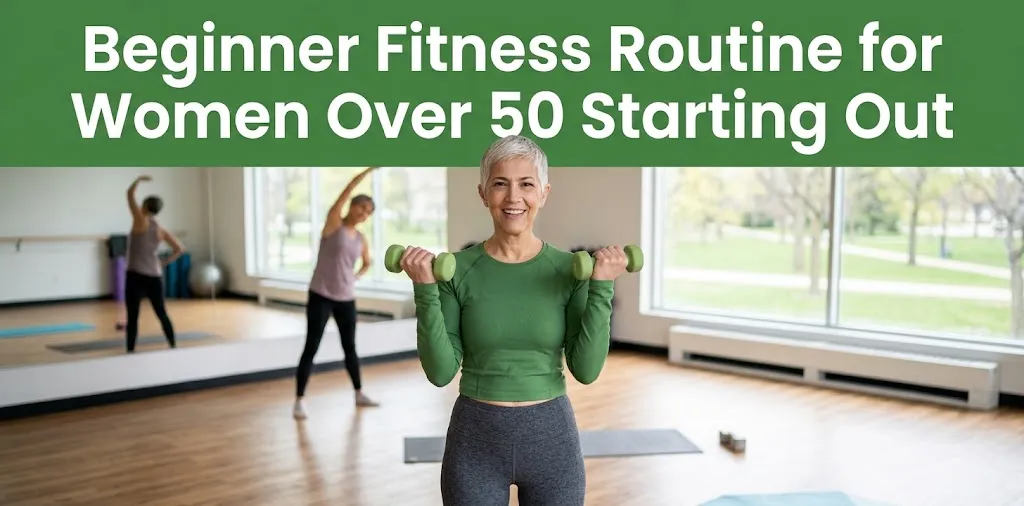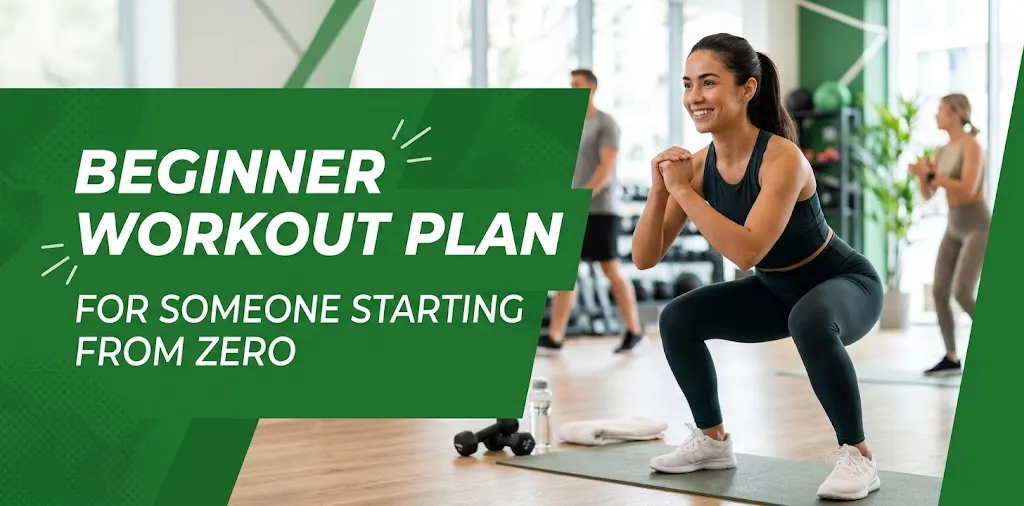
Staying consistent with exercise as a beginner is less about motivation and more about building a routine you can repeat. Start with manageable workouts, choose activities you enjoy, schedule specific days and times, and make exercise easy to begin. When life gets busy, use a shorter version of your workout instead of quitting completely. Over time, these small actions can turn exercise into a normal part of your week.
Why Staying Consistent With Exercise Is So Hard
Starting exercise can feel exciting. You may buy workout clothes, make a detailed plan, and decide to exercise every day.
The problem often comes a few days later.
Work gets busy. You sleep poorly. You feel sore. The workout takes longer than expected. Suddenly, the plan that looked easy on Sunday feels impossible on Wednesday.
This is why beginners should not build an exercise routine around motivation alone. Motivation changes from day to day. A better approach is to create a routine that still works when you are tired, busy, or not excited about exercising.
The goal is not to have a perfect workout every day. The goal is to keep returning to exercise.
Start Smaller Than You Think You Need To
One of the most common beginner mistakes is doing too much too soon.
If you have been inactive, you do not need to start with hour-long gym sessions. You can begin with a short walk, a few basic strength exercises, or another activity that feels manageable.
Federal physical activity guidance recommends that inactive adults start with small amounts of activity and gradually work toward the recommended amount. Adults should eventually aim for 150 to 300 minutes of moderate-intensity aerobic activity each week, along with muscle-strengthening activity on at least 2 days a week.
You do not have to reach that target immediately.
For example, your first week might look like:
- Monday: 15-minute walk
- Wednesday: 15-minute beginner strength workout
- Friday: 20-minute walk
- Saturday: 10 minutes of gentle mobility
This may seem modest, but the purpose at first is to create a routine you can repeat.
Choose Exercise You Actually Enjoy
You are more likely to continue an activity when you do not hate doing it.
Exercise does not have to mean lifting weights in a gym. Depending on your interests and fitness level, you could try:
- Walking
- Cycling
- Swimming
- Dancing
- Beginner strength training
- Hiking
- Jogging
- Group fitness classes
- Home workouts
- Recreational sports
You can also combine different activities.
For example, if you dislike running, there is no reason to force yourself to run five days a week. You might enjoy three walking sessions and two short strength workouts much more.
The best beginner exercise is often the one you are willing to do again next week.
Put Your Workouts on Your Calendar
“Exercise more” is a goal, but it is not a schedule.
Instead, decide exactly when you will exercise.
For example:
Monday, Wednesday, and Saturday at 7:00 a.m.
Treat those times like appointments. This removes one decision from your day.
You can also connect exercise to something you already do. For example:
- After morning coffee, take a 15-minute walk.
- After work, change into workout clothes immediately.
- After dropping the kids off at school, go for a walk.
- After dinner on certain days, do a short home workout.
The more clearly exercise fits into your existing routine, the less often you have to decide whether to do it.
Make Starting Easy
Sometimes the hardest part of a workout is getting started.
Reduce the number of steps between you and exercise.
Keep your walking shoes near the door. Put your workout clothes out the night before. Keep a mat or basic equipment where you can easily see it. If you exercise at a gym, pack your bag ahead of time.
You can also prepare a short workout before the week begins.
For example:
Workout A
- 5-minute warm-up
- Bodyweight squats
- Wall or modified push-ups
- Glute bridges
- Light walking
Workout B
- 5-minute warm-up
- Step-ups
- Bodyweight squats
- Standing shoulder exercises
- Easy stretching
Having the workout already chosen means you do not need to spend 15 minutes deciding what to do.
Create a Minimum Workout for Busy Days
Your regular workout may take 30 minutes, but that does not mean every workout has to take 30 minutes.
Create a smaller version for difficult days.
Your normal routine might be:
- 5-minute warm-up
- 20-minute strength workout
- 5-minute cool-down
Your busy-day version could be:
- 5-minute walk
- 5 minutes of simple bodyweight exercises
The shorter session may not provide the same training effect as your full workout, but it can help you maintain the habit.
This approach is especially useful when work, family responsibilities, travel, or unexpected events disrupt your schedule.
Stop Expecting Perfect Consistency
Consistency does not mean exercising perfectly every week.
You may miss a workout because you are sick, traveling, working late, or simply exhausted. One missed session does not erase your progress.
The bigger problem is turning one missed workout into several weeks away from exercise.
If you miss Monday, do not tell yourself that you will restart next Monday. Look for the next realistic opportunity.
A useful rule is:
Miss once, then return to your routine as soon as reasonably possible.
This keeps a small setback from becoming a complete stop.
Use a Flexible Weekly Routine
A rigid schedule can make exercise harder to maintain.
Suppose you plan to exercise Monday, Wednesday, and Friday. If Wednesday becomes impossible, you can move that session to Thursday.
Your goal is to complete your weekly pattern, not to prove that you can follow an exact schedule under every circumstance.
A flexible routine might look like this:
| Goal | Flexible options |
|---|---|
| 3 cardio sessions | Walk Monday, Thursday, Saturday—or Tuesday, Friday, Sunday |
| 2 strength sessions | Any two nonconsecutive days that fit your schedule |
| Daily movement | Short walks, household activity, stairs, or mobility work |
| Busy week | Shorten workouts instead of abandoning the week |
Flexibility makes a routine more realistic because real life does not always follow your calendar.
Track Your Exercise Without Obsessing Over It
Tracking can make your progress visible.
You do not need an expensive fitness device or complicated app. A calendar, notebook, or phone note can be enough.
Record simple information such as:
- Date
- Activity
- Workout duration
- How difficult it felt
- One small improvement
You might write:
Tuesday — 20-minute walk — felt easier than last week.
Or:
Thursday — 15-minute strength workout — completed all exercises.
This helps you see that progress is happening even when changes in your body are not obvious yet.
Focus on Showing Up Before Chasing Results
Beginners often focus heavily on weight, muscle size, running speed, or how they look.
Those goals can matter, but they may not provide immediate feedback.
Instead, give yourself smaller targets at first.
For example:
- Complete three workouts this week.
- Walk for 15 minutes without stopping.
- Learn three basic strength exercises.
- Exercise on four separate days.
- Add five minutes to a walk when you feel ready.
These goals give you something you can control.
As your routine becomes established, you can gradually increase duration, resistance, distance, or intensity.
Expect Progress to Be Gradual
Your body needs time to adapt to regular exercise.
You may notice some improvements quickly, while other changes take longer. Your first signs of progress might be simple things such as finding a walk easier, recovering faster after activity, or feeling more comfortable with an exercise.
Do not assume that a workout only counts if you are exhausted afterward.
A sustainable routine should challenge you appropriately without making every session feel like a test.
Build Around Your Real Life
A workout plan should fit your life rather than requiring your life to revolve around exercise.
Consider your actual schedule.
If you work long hours, a 20-minute home workout may be more realistic than driving to a gym six days a week.
If you have young children, a walk during a school or childcare window may work better than an early-morning gym session.
If weekends are busy, two short weekday workouts may be easier to maintain.
For example, imagine a beginner who has a full-time job and usually gets home around 6:30 p.m. A plan that requires a 90-minute gym session every evening may look impressive but may not be realistic.
A better starting point could be three 20-minute sessions during the week and one longer walk on the weekend.
The routine is less demanding, but it has a much better chance of becoming part of everyday life.
Use Accountability When You Need It
Some people stay more consistent when someone else knows about their goal.
You could:
- Walk with a friend.
- Join a beginner fitness class.
- Ask a family member to check in with you.
- Exercise with a coworker.
- Follow a structured beginner program.
- Keep a shared workout calendar.
Accountability does not have to mean having someone monitor every workout. Sometimes simply telling another person what you plan to do creates enough commitment to help you follow through.
Know What to Do When Motivation Disappears
There will be days when you do not want to exercise.
Instead of waiting for motivation, lower the barrier.
Tell yourself:
“I only need to put on my shoes and start for five minutes.”
After five minutes, you can decide whether to continue.
If you continue, great. If you stop after five minutes, you still practiced starting.
Another option is to switch to an activity you enjoy more. If you planned to run but feel mentally drained, take an easy walk. If the gym feels overwhelming, do a short home workout.
Changing the workout is often better than abandoning exercise completely.
Avoid the All-or-Nothing Mindset
An all-or-nothing mindset sounds like this:
“I missed my workout, so this week is ruined.”
Or:
“I only have 15 minutes, so there is no point exercising.”
This way of thinking makes consistency harder.
Think in terms of levels instead:
Ideal day: Full workout.
Busy day: Short workout.
Very busy day: Brief walk or mobility session.
Recovery day: Rest when your body needs it.
This gives you several ways to stay connected to your routine without forcing yourself to train hard every day.
Give Yourself Recovery Time
More exercise is not always better for a beginner.
Your body needs time to recover, especially when you are introducing activities that your body is not used to.
If you are very sore or unusually tired, consider reducing the intensity or taking a rest day. You can still stay active with gentle walking or other easy movement if it feels comfortable.
Rest is not failure. It is part of a sustainable exercise routine.
If you have a medical condition, significant pain, or concerns about whether a particular activity is safe for you, talk with a qualified health professional before making major changes to your exercise routine.
A Simple 4-Week Consistency Plan
You do not need a complicated program to practice consistency.
Here is one simple framework:
| Week | Main goal | Example |
|---|---|---|
| Week 1 | Build the habit | 3 short sessions |
| Week 2 | Repeat the routine | 3–4 manageable sessions |
| Week 3 | Add a little challenge | Slightly longer or harder sessions |
| Week 4 | Make it sustainable | Keep what works and adjust what does not |
The exact workouts can change based on your fitness level and interests.
The important part is gradually building a routine instead of trying to transform your fitness in one week.
Common Beginner Mistakes That Hurt Consistency
Starting With Too Much
Exercising every day for long periods may sound productive, but it can make your routine difficult to maintain.
Start with an amount you can realistically repeat.
Choosing Exercise You Dislike
If you hate every workout, motivation will eventually become harder to find.
Try different activities until you find some form of movement that feels enjoyable or at least manageable.
Depending Only on Motivation
Motivation can help you begin, but your schedule, environment, and habits help you continue.
Making Every Workout Hard
You do not need to finish every session exhausted. A routine that you can recover from is easier to maintain.
Quitting After a Missed Workout
Missing one session is normal. The important thing is returning rather than waiting for a perfect restart date.
Comparing Yourself With Experienced Exercisers
Someone who has trained for years will naturally perform differently from a beginner. Compare your current ability with your own earlier performance.
How Much Exercise Should a Beginner Aim For?
The long-term federal guideline for adults is at least 150 minutes of moderate-intensity aerobic activity each week, or 75 minutes of vigorous activity, plus muscle-strengthening activity on at least 2 days each week.
For someone who is currently inactive, starting with smaller amounts is reasonable. You can gradually increase your activity as your fitness and confidence improve.
Think of the guideline as a direction to work toward, not a requirement you must achieve on your first week.
When Should You Increase Your Workouts?
Increase your exercise when your current routine feels manageable and you are recovering well.
You might gradually:
- Add a few minutes to a walk.
- Add another set of an exercise.
- Increase resistance slightly.
- Walk a little faster.
- Add another workout day.
- Try a more challenging version of an exercise.
You do not need to increase everything at once.
If your routine becomes so difficult that you regularly avoid it, you may have progressed too quickly.
What Consistency Really Looks Like
Long-term consistency is not exercising seven days a week without interruption.
It looks more like this:
You exercise regularly for several weeks. You miss a session. You return. You get busy for a few days. You adjust your schedule. You travel. You walk instead of doing your normal workout. You have a difficult week. You start again.
That pattern is normal.
The goal is not to avoid every interruption. The goal is to become good at returning after interruptions.
Frequently Asked Questions
How many days a week should a beginner exercise?
Many beginners can start with about three manageable exercise sessions per week and build from there. The right frequency depends on your current fitness, activity type, recovery, and schedule.
What should I do if I lose motivation to exercise?
Make the workout smaller and easier to start. Try five minutes, switch to an activity you enjoy, or use your minimum workout for the day instead of skipping completely.
Is it okay to miss a workout as a beginner?
Yes. Missing an occasional workout does not ruin your progress. What matters more is returning to your routine instead of allowing one missed session to become a long break.
Make Consistency the Goal, Not Perfection
The easiest way to stay consistent with exercise as a beginner is to make your routine realistic enough to repeat.
Start small. Schedule your workouts. Choose activities you enjoy. Keep a short backup workout for busy days. Track your progress and allow yourself to adjust when life changes.
You do not need to become highly motivated before you begin. Start with an amount you can manage, repeat it, and gradually build from there. Your next step is simple: choose three realistic times this week and put them on your calendar.