Feeling too out of shape to exercise can create a frustrating cycle: you want to get healthier, but the idea of working out feels exhausting before you even begin. You do not need to be fit before you start. You need a starting point that matches your current ability.
The safest and most sustainable approach is to begin with easy movement, build your routine slowly, and increase the challenge as your body adapts. Walking, simple strength exercises, and short activity sessions can be enough to get started.
Start With Less Than You Think You Need
If you feel too out of shape to exercise, start with small amounts of movement that you can repeat consistently. A 5- to 10-minute walk, gentle mobility exercises, or a few basic strength movements can be a useful starting point. The goal at first is not to finish a hard workout. It is to teach your body and your schedule to expect regular movement.
For most adults, some physical activity is better than none. The long-term goal for adults is generally 150 to 300 minutes of moderate-intensity aerobic activity each week, along with muscle-strengthening activity on at least two days. You do not need to reach that amount during your first week.
A better first goal is:
Move regularly → recover → repeat → gradually do more.
What counts as exercise when you are very out of shape?
Exercise does not have to mean running, lifting heavy weights, or completing a demanding gym class.
Good beginner choices include:
- Walking around your neighborhood
- Walking inside a shopping mall
- Gentle cycling
- Water exercise
- Beginner mobility exercises
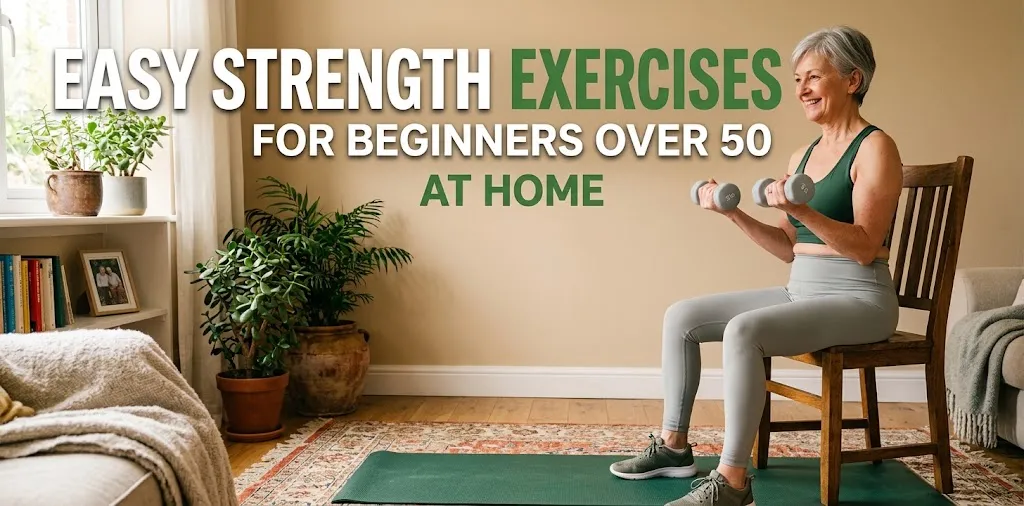
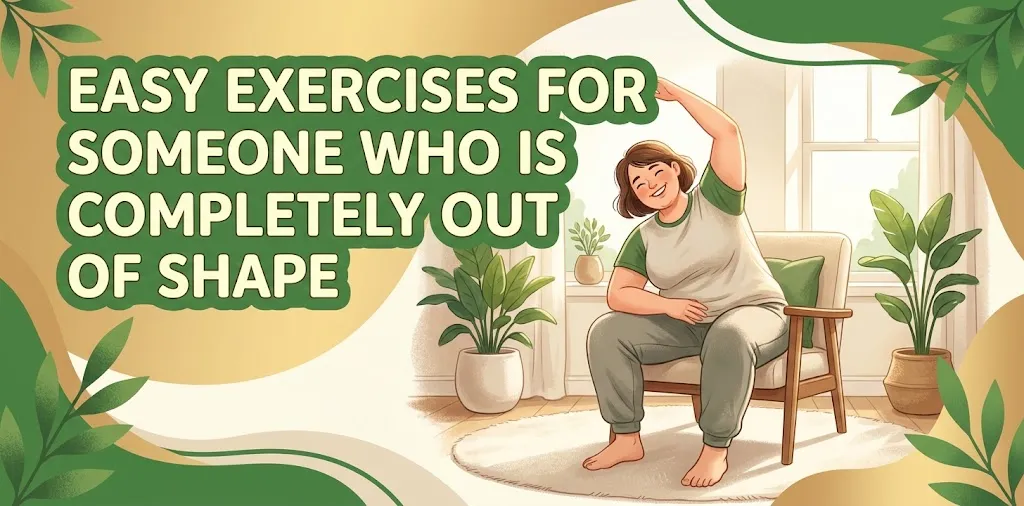
- Chair exercises
- Sit-to-stand movements from a sturdy chair
- Wall push-ups
- Light resistance-band exercises
- Easy dancing at home
- Gentle bodyweight exercises
Choose activities that feel manageable enough that you could do them again in a day or two.
Figure Out Your Starting Point
Before choosing a workout, think about what you can comfortably do right now.
Ask yourself:
- Can I walk for 5 minutes without needing to stop?
- Can I stand up from a chair several times comfortably?
- Can I climb a flight of stairs without unusual symptoms?
- Have I been completely inactive for months or years?
- Do I have pain or a medical condition that affects movement?
- Do I feel comfortable exercising alone?
Your answers help determine where to begin.
If five minutes of walking feels difficult, five minutes may be your workout. If 15 minutes feels easy, you can start there. Your starting point does not need to match someone else’s.
Do not use your old fitness level as your starting point
One common mistake is trying to exercise at the level you remember from years ago.
Maybe you used to run, play sports, lift weights, or attend fitness classes regularly. That does not mean your body is ready for the same workload today.
Think about your current ability rather than your past ability.
Your previous fitness can be a long-term goal. It should not be the standard you use to judge your first week.
Try This Simple First-Week Routine
You do not need a complicated program to begin.
Here is one example for a generally healthy adult who has been inactive and wants to start gently:
| Day | Activity | Starting Time |
|---|---|---|
| Monday | Easy walk | 10 minutes |
| Tuesday | Rest or gentle movement | 5–10 minutes |
| Wednesday | Easy walk + simple strength | 10–15 minutes |
| Thursday | Rest | — |
| Friday | Easy walk | 10–15 minutes |
| Saturday | Gentle movement you enjoy | 10–20 minutes |
| Sunday | Rest or easy walk | Optional |
This is only a starting example, not a medical prescription. If 10 minutes is too much, reduce the time. If it feels very easy, add a few minutes rather than suddenly doubling the workout.
The goal is to finish most sessions feeling like you could have done a little more.
Build Walking Into Your Routine
Walking is one of the simplest ways to restart regular physical activity because it requires little equipment and can be adjusted easily.
Start at a comfortable pace. You do not need to walk fast enough to feel exhausted.
For example:
Week 1: Walk for 5–10 minutes on several days.
Week 2: Add a few minutes to some walks if the first week felt comfortable.
Week 3: Continue adding small amounts of time or slightly increase your pace.
Later: Work toward longer walks and a moderate pace as your fitness improves.
You can also divide activity into smaller sessions. A short walk in the morning and another in the evening may feel much easier than trying to complete one long workout.
Add Basic Strength Training
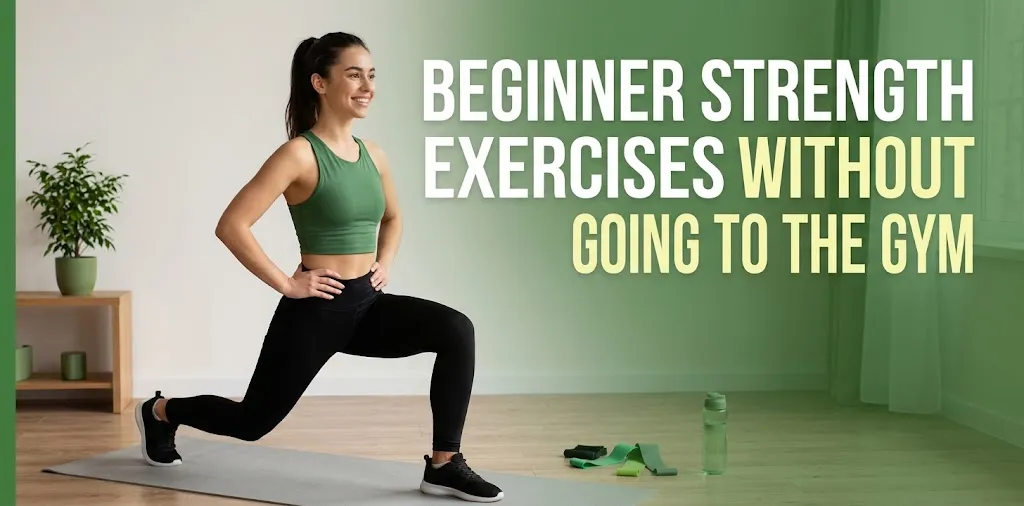
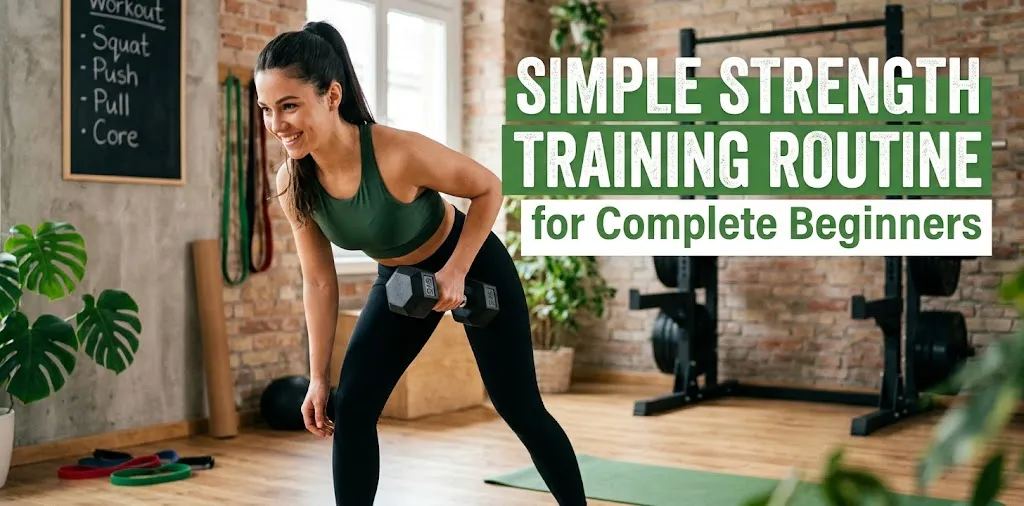
Cardio is not the only part of getting back into exercise. Strength training can help you build the strength needed for everyday activities.
You do not need a gym or heavy weights.
Start with simple movements such as:
- Sit-to-stand from a sturdy chair
- Wall push-ups
- Standing calf raises
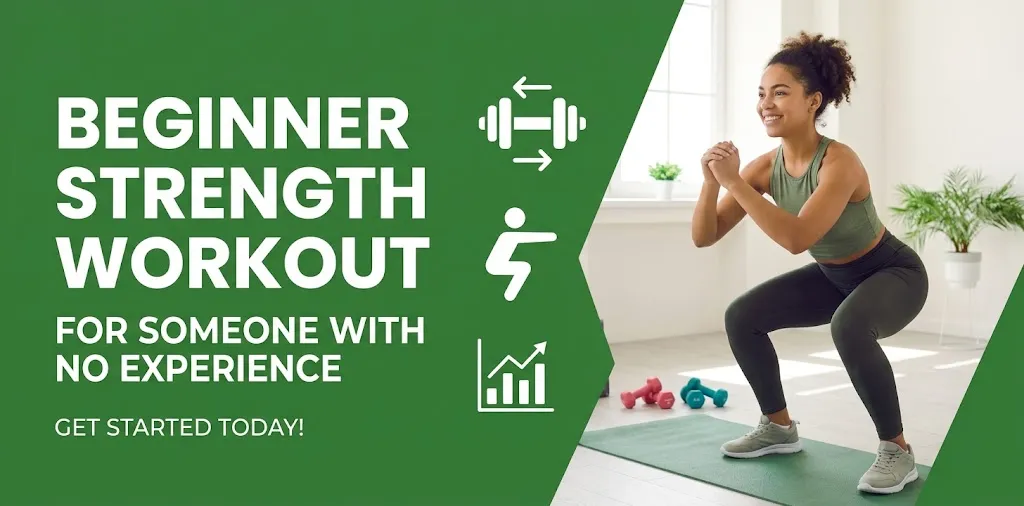
- Supported bodyweight squats
- Resistance-band rows
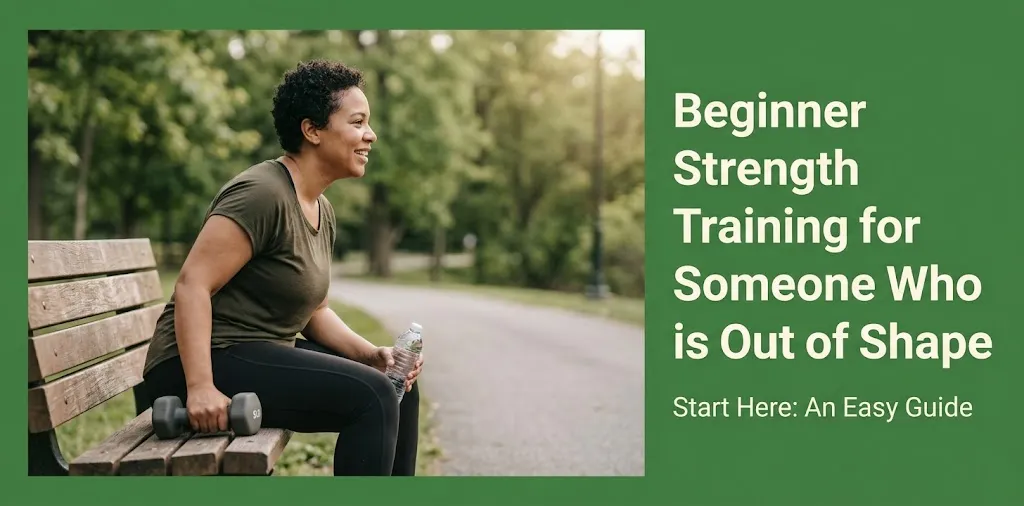
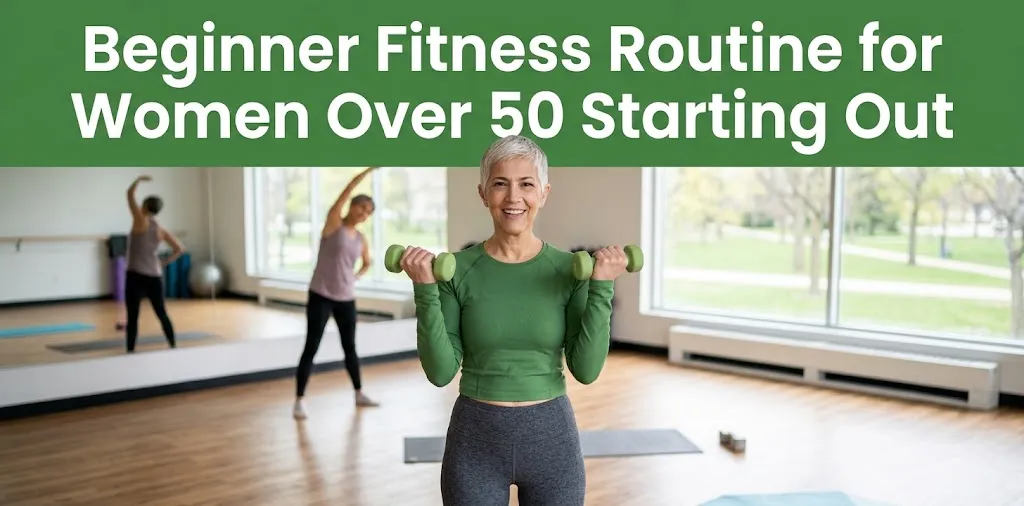
- Light dumbbell exercises
Begin with a small number of repetitions and focus on controlled movement.
For example, you might do one set of 5–10 comfortable repetitions of two or three exercises. As the movements become easier, gradually add repetitions or another set.
Use the Talk Test to Control Your Effort
One simple way to judge exercise intensity is the talk test.
During moderate activity, you should generally be able to talk, although you may breathe harder than normal. If you are struggling to speak more than a few words because you are so out of breath, the activity may be too intense for your current fitness level.
For someone starting from a very low fitness level, an easy pace is often a better choice than trying to reach a specific speed.
Your first goal is to build tolerance for movement.
Know the Difference Between Effort and Pain
Exercise can feel challenging without being harmful.
You may notice:
- Faster breathing
- Warmth or sweating
- Muscles working harder
- Mild muscle fatigue
- A higher heart rate
Those sensations can occur during normal exercise.
Sharp pain, severe pain, dizziness, fainting, unusual shortness of breath, or other concerning symptoms are different. Stop exercising and seek appropriate medical attention when symptoms are severe, unusual, or concerning.
If you have a chronic health condition, significant mobility limitations, or other health concerns, talk with your healthcare professional about an appropriate activity plan before starting a new exercise program.
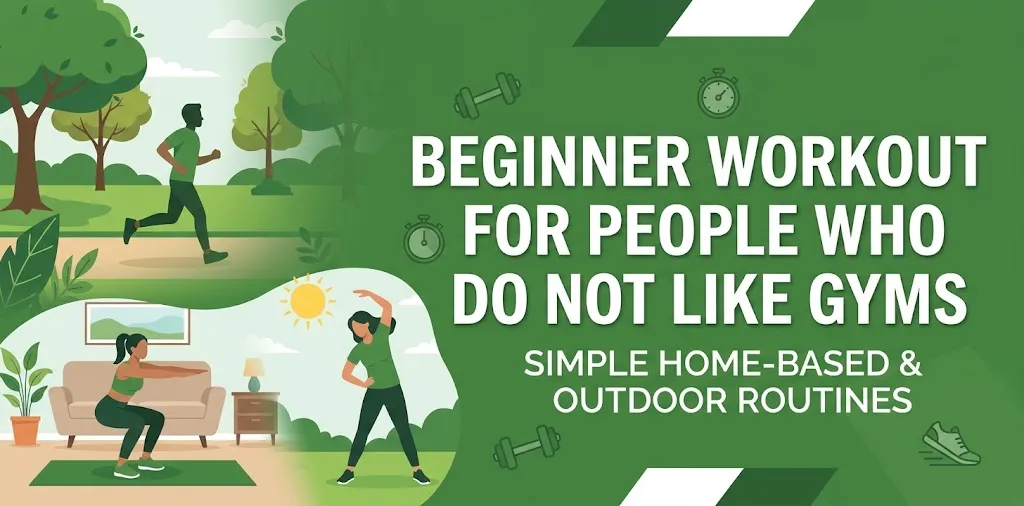
If You Are Afraid of Going to the Gym
You do not need a gym to become more active.
A gym can be useful, but it is only one option. If the idea of exercising around other people makes you uncomfortable, begin at home or outside.
You could:
- Walk around your neighborhood
- Exercise in your living room
- Use resistance bands
- Practice chair exercises
- Take stairs when appropriate
- Walk at a local park
- Follow a beginner-friendly exercise routine
- Ride a stationary bike
The best beginner workout is often the one that removes the biggest barrier to getting started.
Make Exercise Easier on Your Body
When you are very out of shape, recovery matters.
Avoid the temptation to make up for years of inactivity with one extremely hard workout. Doing too much too soon can leave you extremely sore and make it harder to exercise again.
Instead:
- Warm up with a few minutes of easy movement.
- Start with low-impact activities.
- Increase time or intensity gradually.
- Give tired muscles time to recover.
- Drink enough fluids.
- Wear comfortable, supportive clothing and appropriate footwear.
- Stop or reduce the workout if something feels wrong.
A gradual approach is especially useful because excitement can cause beginners to increase exercise too quickly.
What If You Get Very Tired After Exercise?
Some fatigue is normal when you are beginning.
The key question is whether you can recover reasonably well and continue your routine.
If a 20-minute workout leaves you exhausted for several days, it may be too much right now. Try 10 minutes next time.
If a short walk feels manageable and you recover normally, you have useful information: that amount of activity may be an appropriate starting point.
Think of exercise as a dose. You are trying to find an amount that challenges you without overwhelming you.
Two Realistic Beginner Examples
Example 1: Someone Who Has Been Sitting Most of the Day
Imagine someone who works at a desk, rarely exercises, and becomes tired after walking for 10 minutes.
Starting with a 45-minute gym workout would probably feel intimidating.
Instead, they might walk for 5–10 minutes after work several days a week. After that becomes comfortable, they could gradually extend the walks and add two short strength sessions.
The first goal is not rapid weight loss or athletic performance. It is creating a repeatable habit.
Example 2: Someone Returning After Years Away
Suppose someone used to run regularly but stopped exercising for several years. They may remember being able to run several miles without difficulty.
Rather than immediately trying to recreate that old routine, they could begin with walking and short periods of easy jogging only when their current fitness allows it.
Their old ability can guide a future goal, but their current condition should determine the starting workload.
How to Stay Consistent When Motivation Disappears
Motivation is useful, but it is unreliable.
Instead of waiting until you feel motivated, make exercise easier to start.
Try:
- Exercising at the same time on certain days.
- Keeping walking shoes where you can see them.
- Choosing a short workout when you are busy.
- Putting exercise on your calendar.
- Walking with a friend or family member.
- Choosing activities you actually enjoy.
- Tracking completed sessions instead of obsessing over calories.
- Having a backup indoor workout for bad weather.
You can also create a minimum goal.
For example, tell yourself:
“I only need to move for five minutes.”
If you want to continue after five minutes, keep going. If you do not, you still completed the habit.
That can be much easier psychologically than telling yourself that every workout must last an hour.
When Should You Increase Your Workout?
Increase your exercise when your current routine starts feeling noticeably easier and you are recovering well.
You can change one thing at a time:
- Walk a little longer.
- Add another day.
- Increase your walking pace slightly.
- Add a few repetitions.
- Add another strength exercise.
- Use slightly more resistance.
You do not need to increase everything at once.
A useful progression is:
Duration → frequency → intensity
For example, increase a 10-minute walk to 15 minutes before trying to turn it into a fast 15-minute walk.
What About the 150-Minute Goal?
The widely used federal target for adults is 150–300 minutes of moderate-intensity aerobic activity each week, or 75–150 minutes of vigorous activity, along with muscle-strengthening activity at least two days a week.
That target is useful as a long-term reference, but it should not make an inactive person feel like they have failed.
If you currently do almost nothing, moving for 10 minutes is meaningful progress.
You can gradually work toward the guideline as your fitness improves.
A simple way to picture the progression is:
| Starting Point | Next Goal |
|---|---|
| Almost no activity | Add short movement sessions |
| 5–10 minute walks | Gradually extend walks |
| Regular easy walking | Add moderate-paced walking |
| Comfortable aerobic activity | Add basic strength training |
| Consistent routine | Gradually approach weekly guidelines |
Common Mistakes That Make Starting Harder
Trying to lose years of progress in a few weeks
Fitness is built over time. Trying to change everything immediately often creates unnecessary soreness and frustration.
Copying an advanced workout
A workout designed for someone who already exercises regularly may be completely inappropriate for a beginner.
Choose a routine based on your current ability.
Focusing only on weight
Weight can be one reason to exercise, but it is not the only measure of progress.
You may also notice that walking feels easier, stairs are less tiring, you can perform more repetitions, or everyday activities require less effort.
Treating rest as failure
Recovery is part of a sustainable routine. You do not have to exercise hard every day.
Quitting after one missed workout
Missing Tuesday does not ruin your progress. Simply return to your routine on Wednesday or the next practical opportunity.
Consistency over months matters far more than having a perfect week.
When to Talk With a Doctor Before Exercising
Many people can begin with gentle activity, but some people should get individualized medical guidance first.
Consider talking with a healthcare professional before starting a new exercise routine if you have a medical condition, major physical limitations, or other concerns about whether exercise is safe for you.
This is particularly important if you have been inactive and want to begin vigorous exercise rather than gentle movement.
If you develop concerning symptoms during exercise, stop and seek medical advice rather than trying to push through them.
Frequently Asked Questions
How do I start exercising if I am extremely out of shape?
Start with an activity you can perform comfortably, such as a short walk or gentle movement session. Begin with a few minutes and gradually increase the duration as your body adapts instead of trying to complete a hard workout immediately.
How long should a beginner exercise each day?
There is no single starting duration that works for everyone. If you are very inactive, even 5–10 minutes can be a reasonable starting point, and you can gradually build toward the recommended weekly activity level.
Should I walk or do strength training first?
Walking is often an easy way to restart regular movement, while strength training helps build muscular strength for everyday activities. You can start with walking and gradually add simple strength exercises rather than choosing only one type of exercise.
The Best First Step Is the One You Can Repeat
You do not have to become fit before you are allowed to exercise. Starting while you feel out of shape is exactly how fitness begins.
Choose one simple activity, keep the first sessions short, and give yourself permission to progress slowly. Once your body becomes comfortable with regular movement, you can gradually add time, strength, and intensity.
Your practical next step is simple: put on comfortable shoes and take an easy 5–10 minute walk today. If that feels manageable, repeat it several times this week. Build from there rather than trying to transform your fitness overnight.