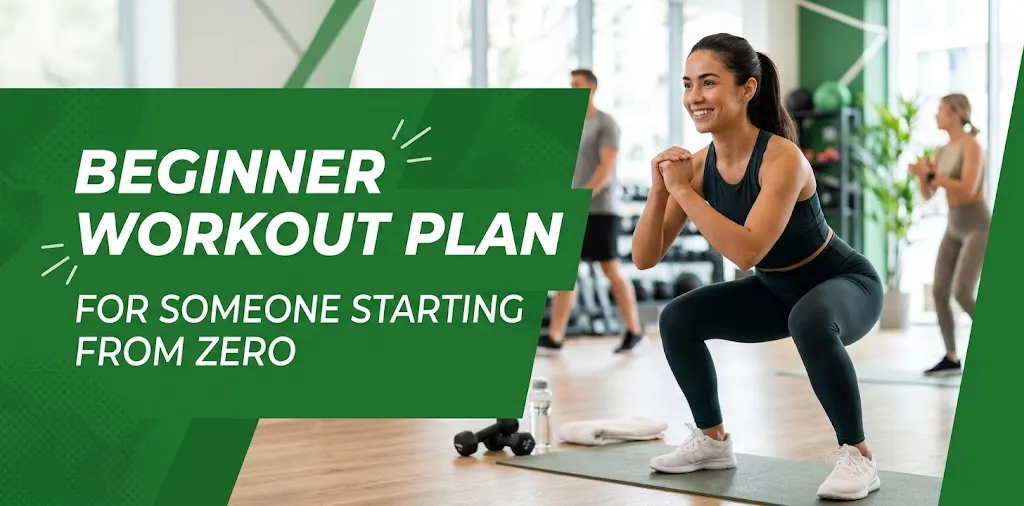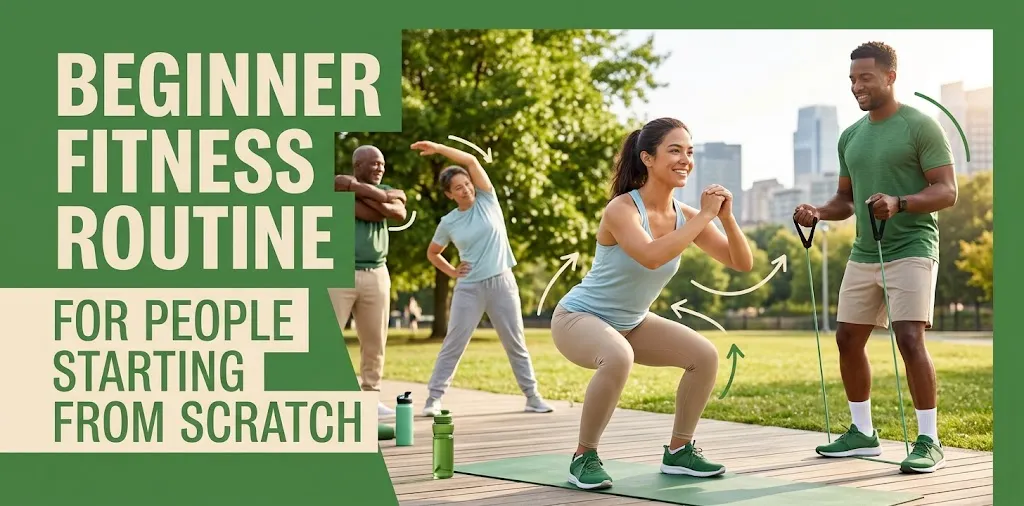
Starting exercise from zero can feel harder than the workout itself. You may not know which exercises to do, how often to train, or how much is too much. The good news is that you do not need to be fit before you begin.
A beginner fitness routine should start with simple movements, short workouts, easy cardio, and enough recovery time. The goal during the first few weeks is not to train as hard as possible. It is to build a routine you can keep doing.
What Is a Beginner Fitness Routine?
A beginner fitness routine is a simple exercise plan designed for someone with little or no recent exercise experience. It usually combines easy aerobic activity, basic strength exercises, mobility, and rest days.
For adults starting from scratch, the best approach is to begin with small amounts of activity and gradually build toward 150–300 minutes of moderate aerobic activity each week plus muscle-strengthening activity on at least 2 days. You do not need to reach that target during your first week. Your first goal is simply to become more active than you were before.
A Simple 4-Week Fitness Routine for Beginners
This plan is designed for adults who are starting from scratch and want a manageable way to build fitness at home or in a gym.
| Week | Cardio | Strength | Main Goal |
|---|---|---|---|
| Week 1 | 10–15 minutes, 3 days | 1–2 days | Build the habit |
| Week 2 | 15–20 minutes, 3 days | 2 days | Improve consistency |
| Week 3 | 20–25 minutes, 3–4 days | 2 days | Build endurance and strength |
| Week 4 | 25–30 minutes, 3–4 days | 2 days | Prepare for regular training |
If a week feels too difficult, repeat it. Progress does not have to happen on a fixed schedule.
Week 1: Learn to Move Again
The first week should feel easy.
Monday: 10-minute easy walk
Tuesday: Rest or gentle stretching
Wednesday: 10–15-minute easy walk
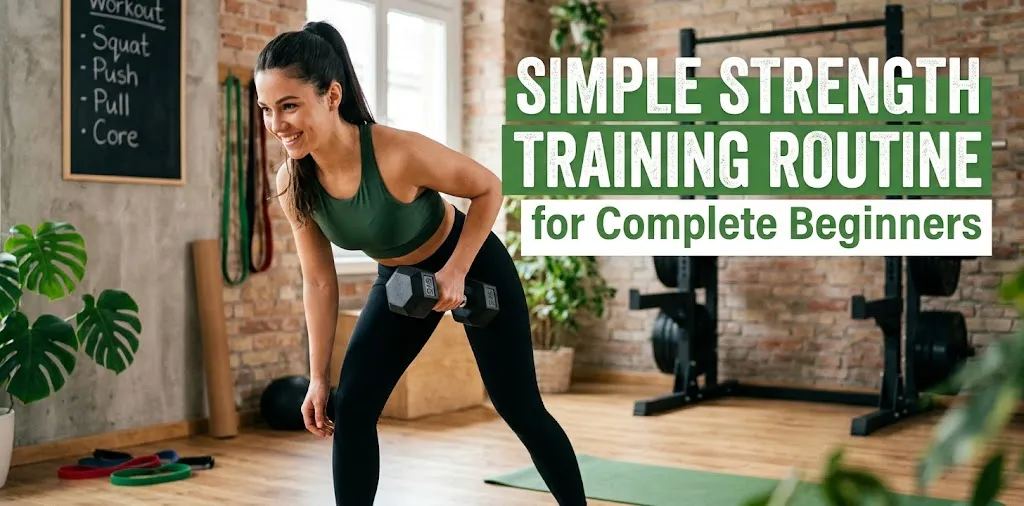
Thursday: Beginner strength workout
Friday: Rest
Saturday: 10–15-minute walk
Sunday: Rest
Your strength workout can include:
- 8–10 chair squats
- 6–10 wall push-ups
- 8–10 standing knee raises per side
- 8–10 glute bridges
- 10–15 seconds of a supported plank
Do one set of each exercise. Rest whenever you need to.
Week 2: Add a Little More
Once your body becomes comfortable with movement, increase the amount slightly.
Monday: 15-minute walk
Tuesday: Strength workout
Wednesday: Rest or 10-minute easy walk
Thursday: 15–20-minute walk
Friday: Strength workout
Saturday: 15-minute easy activity
Sunday: Rest
You can do two sets of the strength exercises if the first set feels comfortable.
Week 3: Build Your Base
By week three, you can begin making your workouts slightly longer.
Monday: 20-minute brisk walk
Tuesday: Full-body strength workout
Wednesday: Rest or easy movement
Thursday: 20–25-minute walk
Friday: Full-body strength workout
Saturday: 20-minute easy cardio
Sunday: Rest
The word brisk does not mean running. Walk at a pace that makes you breathe faster but still lets you talk.
Week 4: Establish a Regular Routine
The fourth week is about creating a schedule you can continue.
Monday: 25–30-minute cardio
Tuesday: Strength workout
Wednesday: Rest or easy walk
Thursday: 25–30-minute cardio
Friday: Strength workout
Saturday: 20–30-minute optional activity
Sunday: Rest
At this point, you can begin working toward the longer-term adult activity guidelines if your body is responding well.
The Best Exercises When You Are Starting From Scratch
You do not need complicated exercises. Choose movements that train the major parts of your body and are easy to control.
Chair Squats
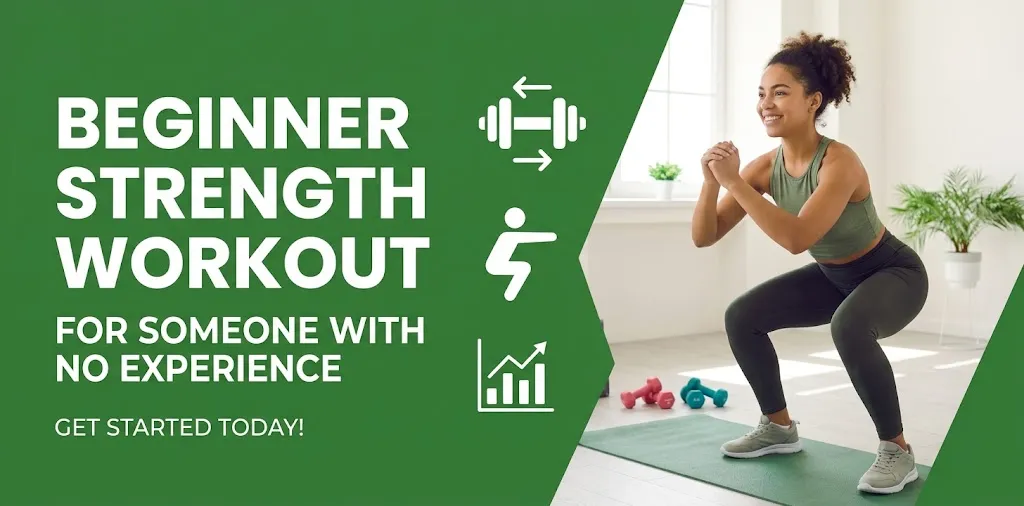
Stand in front of a sturdy chair with your feet about shoulder-width apart. Slowly lower your hips toward the chair, lightly touch it, and stand back up.
If regular squats feel difficult, use a higher chair or reduce how far you lower yourself.
Wall Push-Ups
Stand facing a wall and place your hands against it around chest height. Bend your elbows to bring your chest closer to the wall, then push yourself back.
Wall push-ups are an easier starting point than floor push-ups.
Glute Bridges
Lie on your back with your knees bent and feet flat on the floor. Lift your hips slowly, squeeze your glutes gently, then lower your hips.
If getting onto the floor is uncomfortable, substitute standing hip extensions.
Step-Ups
Use a low, stable step. Step up carefully, bring the other foot up, then step down.
Hold a railing for support if needed. You do not need a high step to make this exercise useful.
Standing Knee Raises
Stand tall and slowly lift one knee toward your waist. Lower it and repeat on the other side.
This simple movement works your hips and legs while also challenging balance.
Resistance-Band Rows
If you have a resistance band and a safe anchor point, use rows to train your upper back. Keep the movement controlled rather than pulling as hard as possible.
If you do not have equipment, focus on the other beginner movements until you can add resistance training safely.
How Hard Should a Beginner Workout Feel?
One of the biggest beginner mistakes is assuming every workout should leave you exhausted.
It should not.
For most early workouts, aim for an effort that feels manageable. During moderate-intensity aerobic activity, you should be breathing harder while still being able to talk.
A useful beginner rule is:
- Easy: You can talk comfortably.
- Moderate: You can talk, but you are breathing faster.
- Hard: Talking becomes difficult.
- Very hard: You can only say a few words at a time.
Most of your first workouts should stay in the easy-to-moderate range.
How Long Should a Beginner Workout Last?
There is no required minimum workout length for someone starting from scratch.
A 10-minute walk is better than doing nothing. If 10 minutes feels easy, you can eventually increase it to 15, 20, or 30 minutes.
Instead of thinking:
“I need to exercise for an hour.”
Think:
“I will walk for 10 minutes today.”
That smaller goal is easier to start and repeat.
How to Progress Without Doing Too Much
Your body needs time to adapt to exercise.
Instead of increasing everything at once, change one thing at a time:
- Add a few minutes to your cardio.
- Add a few repetitions to an exercise.
- Add another set.
- Increase resistance slightly.
- Add another workout day only when recovery is good.
For example, if you can comfortably complete two sets of 10 chair squats, you might increase to 12 repetitions before making the movement harder.
You do not need to increase your workout every time you exercise.
Use Recovery as Part of the Plan
Rest is not wasted time. It gives your muscles and energy systems time to recover.
A beginner may need more recovery than someone who has trained for years. If you are very sore or unusually tired, an easy walk or rest day may be more useful than another hard workout.
What to Do on Days You Do Not Feel Like Exercising
Motivation will not always be there.
Instead of making your choices “full workout or nothing,” create a smaller backup workout.
Try:
- 5 minutes of walking
- 5 chair squats
- 5 wall push-ups
- 5 minutes of easy stretching
If you feel better after starting, continue. If not, you still moved your body.
This approach can help turn exercise into a regular habit rather than something you only do when you feel motivated.
Two Realistic Ways to Start From Zero
Example 1: Someone Who Sits Most of the Day
Imagine a hypothetical office worker who spends most of the day sitting and has not exercised regularly for several months.
Starting with five gym sessions would probably be unnecessary. A better first week could include three short walks and one simple strength workout.
After several weeks, that person could gradually add longer walks and a second strength day.
Example 2: Someone Who Wants to Exercise at Home
A hypothetical beginner who does not want a gym membership can start with:
- Walking outside or indoors
- Chair squats
- Wall push-ups
- Glute bridges
- Standing knee raises
- Resistance-band exercises if available
This can provide a useful starting point without expensive equipment.
Common Beginner Mistakes to Avoid
Starting With Advanced Workouts
Jumping into intense HIIT sessions, long runs, or difficult strength workouts can make the first few weeks unnecessarily hard.
Start with movements you can perform with good control.
Exercising Every Day
More exercise is not automatically better when you are new to training.
Give your body recovery days, especially when strength training is new to you.
Chasing Muscle Soreness
Being extremely sore does not mean you had a better workout.
Your goal is to become stronger and fitter while staying consistent.
Comparing Yourself With Experienced Exercisers
A person who has trained for years will naturally perform more repetitions, lift more weight, or move faster.
Your useful comparison is with your own starting point.
Changing Too Many Things at Once
You do not need a complicated diet, supplement routine, expensive equipment, and five-day workout schedule on day one.
Start with regular movement. Build from there.
What Equipment Do You Actually Need?
For many beginners, almost none.
A pair of comfortable shoes, clothing that allows you to move, and a safe place to exercise are enough for walking and many bodyweight movements.
Optional equipment can include:
- Resistance bands
- A pair of light dumbbells
- Exercise mat
- Stable step or bench
- Comfortable walking shoes
Equipment should make exercise easier or more enjoyable. It does not need to be expensive.
When Should You Increase Your Workout?
Increase your routine when the current level feels manageable and you are recovering well.
Signs that you may be ready include:
- The workout no longer feels unusually difficult.
- You can complete the exercises with controlled form.
- You recover normally between sessions.
- You are not experiencing unusual pain.
- You have enough energy for your normal daily activities.
If increasing the workout makes you feel overwhelmed, return to the previous level for another week.
When to Stop or Get Medical Guidance
Exercise is generally beneficial, but starting a new routine should be approached carefully if you have a health condition, recent injury, significant symptoms, or other concerns about exercise.
Stop exercising and seek appropriate medical advice if you experience unusual or severe symptoms such as chest pain, fainting, severe shortness of breath, or significant pain.
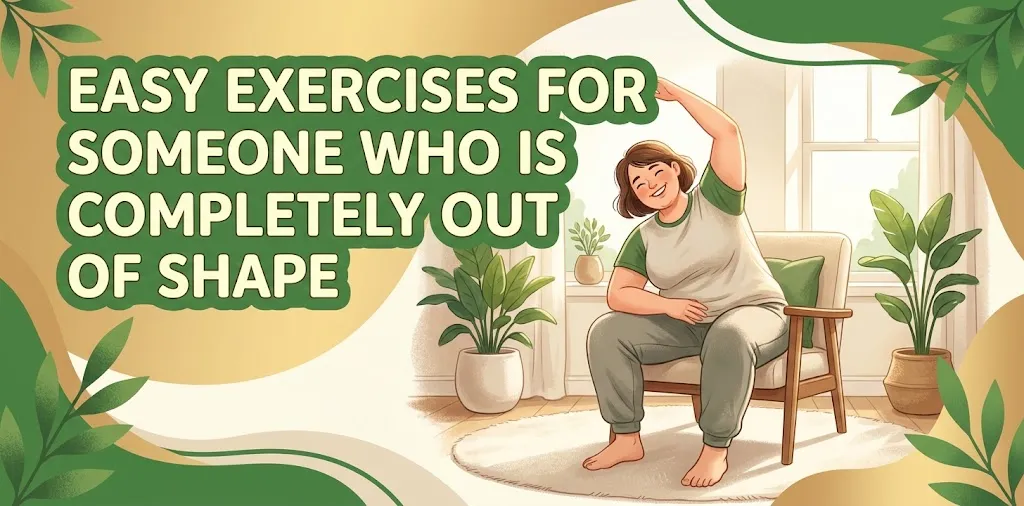
If you have a chronic health condition or disability, ask a healthcare professional how to adapt exercise to your situation.
How to Make Exercise a Habit
The easiest workout to maintain is one that fits your real life.
Choose a specific time and place for exercise. For example, you might walk after dinner on Monday, Wednesday, and Saturday.
You can also connect exercise with an existing habit:
- Walk after lunch.
- Stretch after brushing your teeth.
- Do strength exercises after work.
- Take a short walk during a regular break.
Start with a routine that feels almost too easy. You can always make it harder later.
Frequently Asked Questions
What is the best workout routine for someone starting from scratch?
A good starting routine combines short walks or other easy cardio with one or two simple full-body strength sessions each week. Begin with an amount you can handle comfortably, then gradually increase the duration, frequency, or resistance.
How many days a week should a complete beginner exercise?
Three to four active days per week is a practical starting point for many beginners, with rest or easy movement between harder sessions. Over time, work toward about 150 minutes of moderate aerobic activity and muscle-strengthening activity on at least 2 days per week.
Can I start exercising at home without equipment?
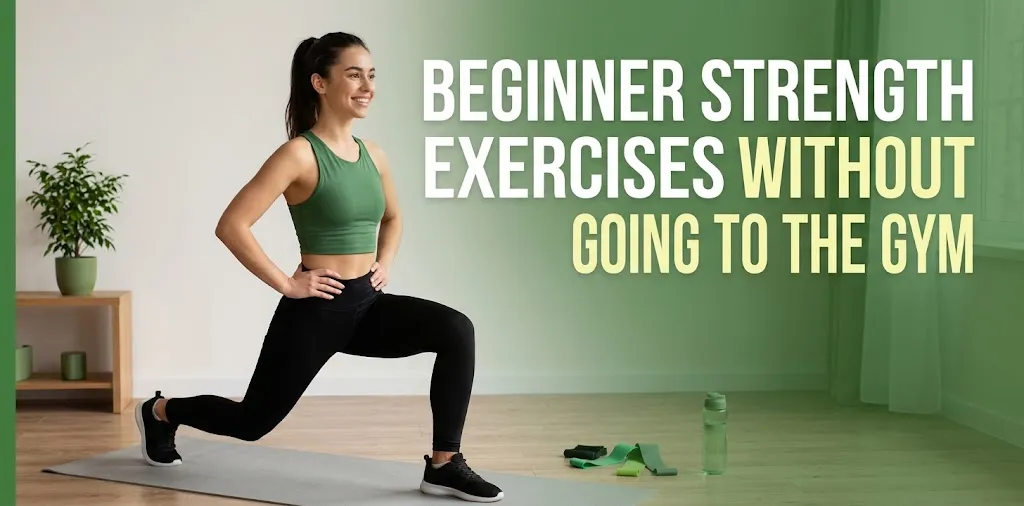
Yes. Walking, chair squats, wall push-ups, glute bridges, step-ups, and other bodyweight movements can create a useful beginner routine. You can add resistance bands or light dumbbells later if you want more strength-training options.
The Best Way to Start Today
You do not need to wait until you feel fit, motivated, or confident. Start with something small enough that you can actually repeat.
Take a 10-minute walk today. On another day, try one set of a few basic strength exercises. Keep the effort manageable, recover between workouts, and increase the challenge slowly.
The goal of a beginner fitness routine is not to prove how hard you can train. It is to build a habit that can eventually become a normal part of your life.