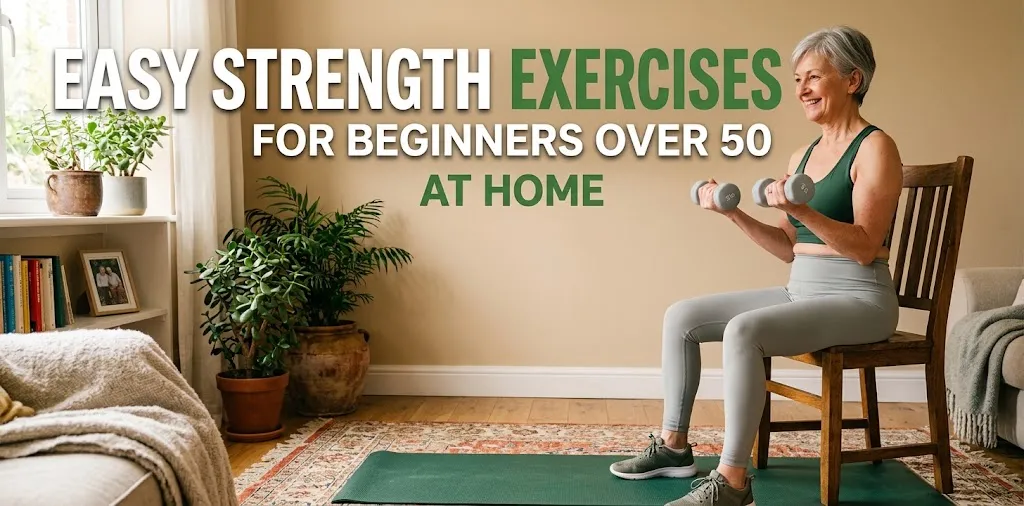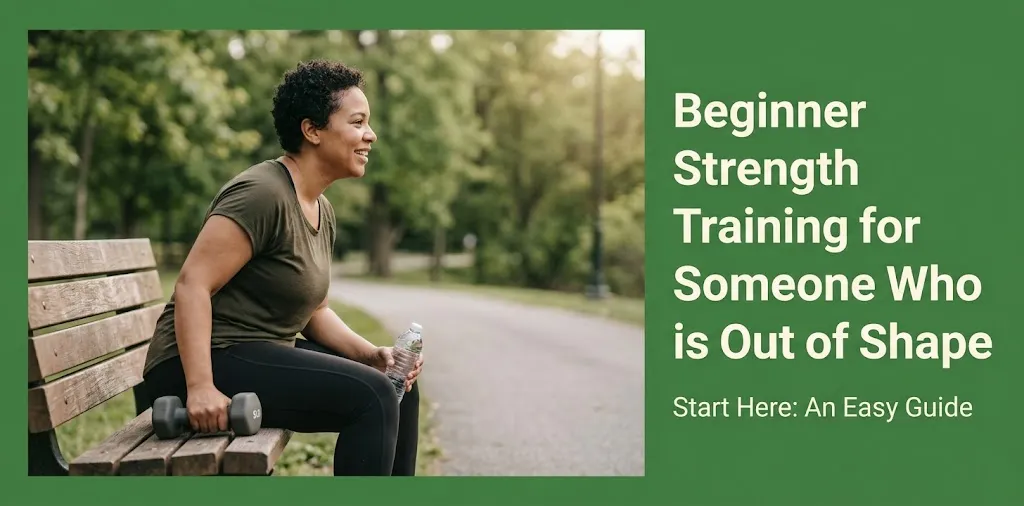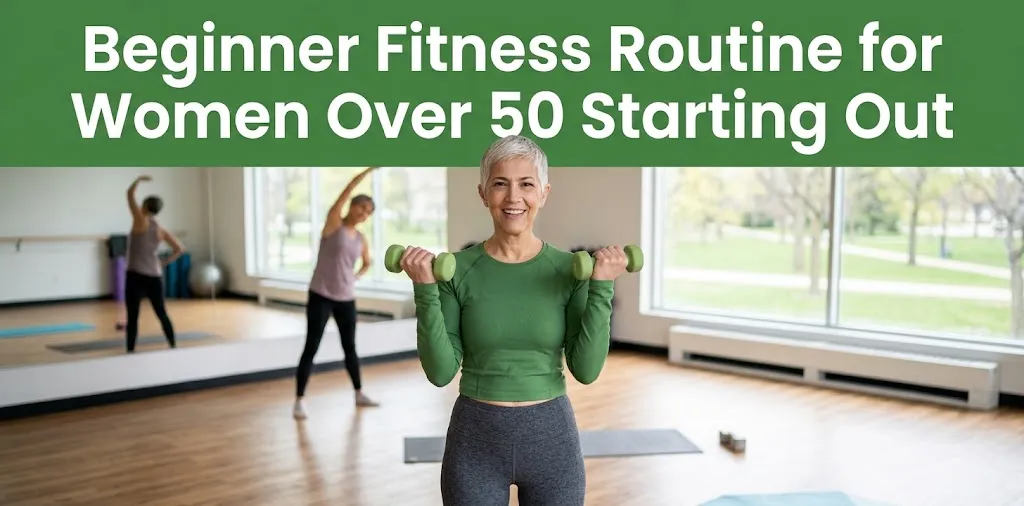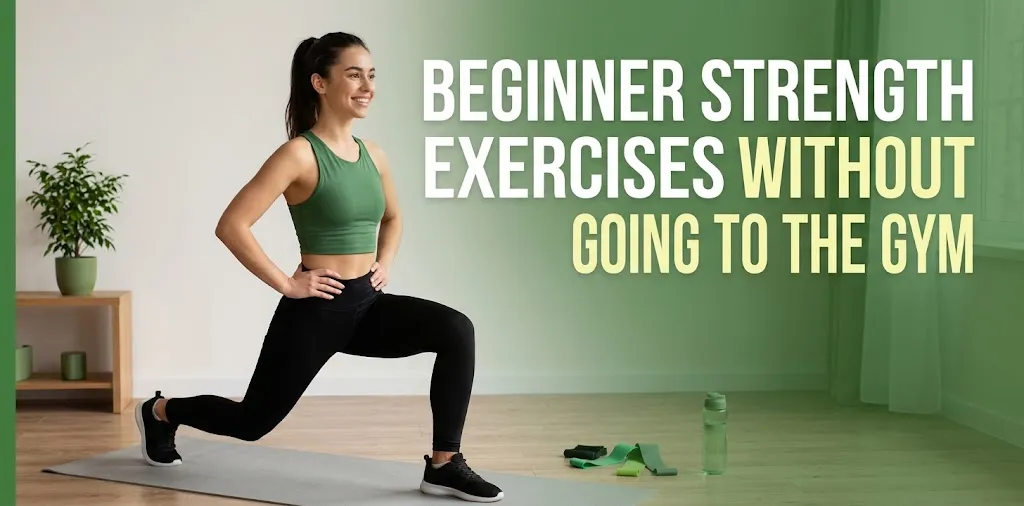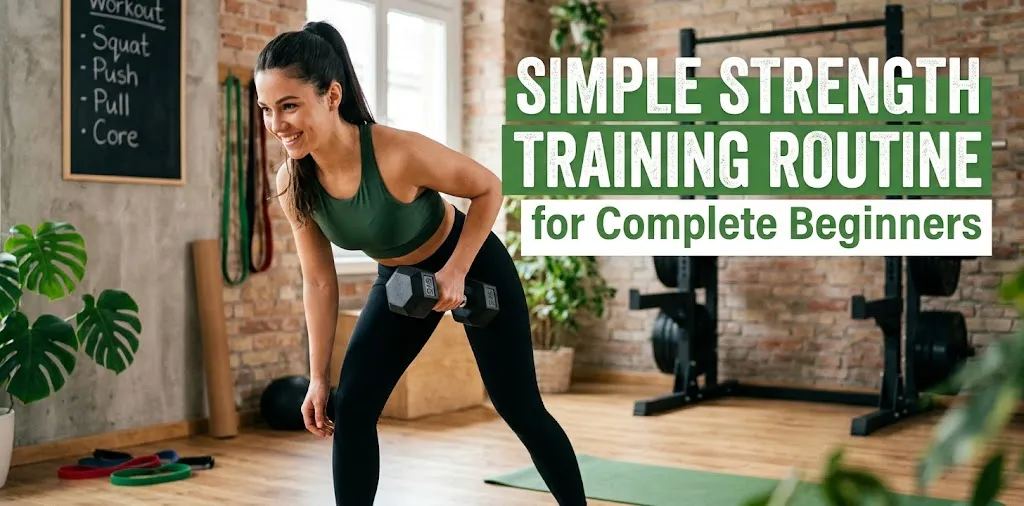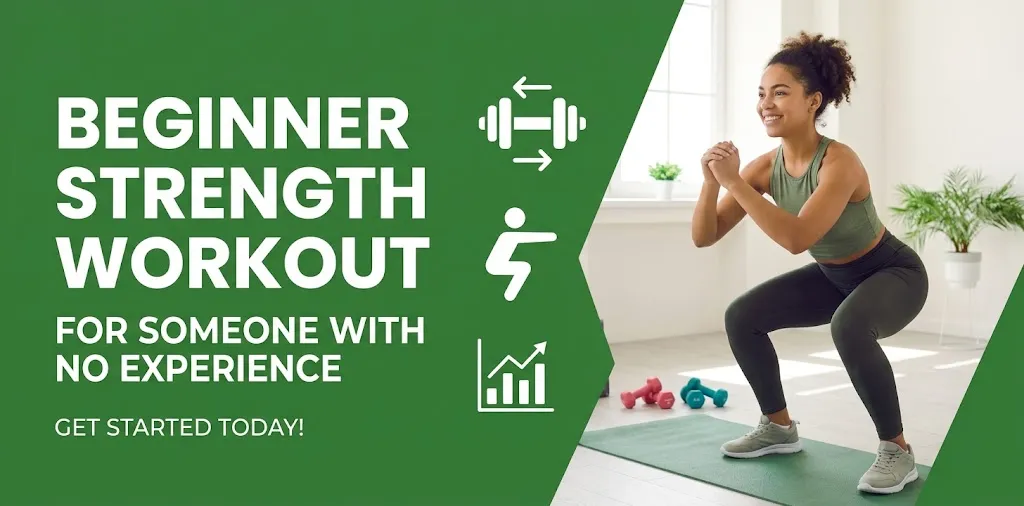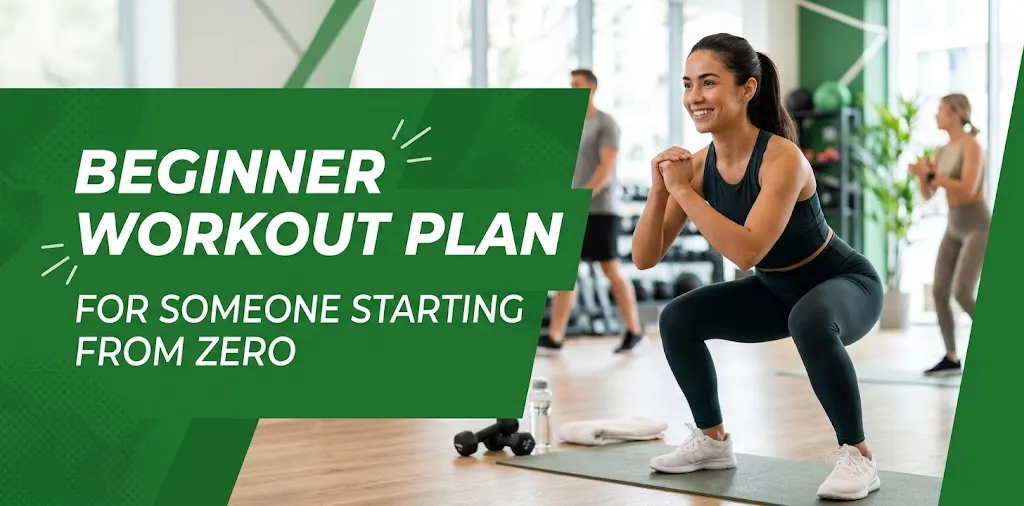
You do not need to love the gym to get stronger, improve your fitness, or become more active. If crowded rooms, machines, long workouts, or gym culture make exercise feel like a chore, a simple routine at home or outdoors may be a better fit.
The key is to build a routine that is easy to start and easy to repeat. You can walk, use your body weight, dance, ride a bike, climb stairs, or do short strength sessions without joining a gym.
A Simple Fitness Routine for People Who Hate the Gym
A gym-free fitness routine can combine walking or another enjoyable cardio activity with short body-weight strength sessions. Start with 15–20 minutes at a time, three to four days a week, then gradually add time or intensity as your fitness improves. The goal is consistency, not exhausting yourself.
For adults, regular aerobic activity and muscle-strengthening exercises are important parts of a healthy exercise routine. If you are currently inactive, start with smaller amounts and build up gradually.
The 20-Minute No-Gym Workout
You can do this routine in your living room, backyard, hotel room, or another comfortable space.
| Exercise | Time or Reps | Main Focus |
|---|---|---|
| Easy marching or walking | 3 minutes | Warm-up |
| Chair squats | 8–12 reps | Legs and hips |
| Wall push-ups | 8–12 reps | Chest and arms |
| Glute bridges | 10–15 reps | Hips and legs |
| Standing knee raises | 30 seconds | Cardio and core |
| Bird dogs | 6–10 per side | Core and balance |
| Easy walking | 3–5 minutes | Cool-down |
Rest for 30–60 seconds when you need it. Beginners can complete one round. When that feels comfortable, work toward two rounds.
If floor exercises are uncomfortable, replace glute bridges with standing leg raises and bird dogs with a supported balance exercise.
A Weekly Routine That Does Not Feel Like a Gym Program
You do not have to exercise hard every day. A simple weekly schedule can give you enough structure without making fitness take over your life.
| Day | Activity | Time |
|---|---|---|
| Monday | Brisk walk + short strength routine | 20–25 min |
| Tuesday | Easy walk, dancing, or another fun activity | 15–30 min |
| Wednesday | Rest or light movement | 5–15 min |
| Thursday | No-gym strength routine | 20 min |
| Friday | Favorite cardio activity | 20–30 min |
| Saturday | Longer walk, bike ride, hike, or recreational activity | 30–45 min |
| Sunday | Rest or gentle stretching | Optional |
You do not have to follow this exact schedule. Move the days around your work, family, and energy levels.
The best routine is one you can actually fit into your week.
Choose Exercise You Do Not Hate
If you hate running, you do not need to run.
If you dislike lifting weights, you do not have to build your routine around dumbbells.
Try activities that feel less like traditional exercise:
- Walking while listening to music or a podcast
- Dancing at home
- Riding a bicycle
- Hiking
- Swimming
- Playing basketball or another recreational sport
- Taking the stairs
- Doing short body-weight workouts
- Following a short fitness video at home
- Gardening and other active outdoor tasks
The goal is to find movement that feels realistic and enjoyable enough to repeat.
How to Make Strength Training Less Annoying
Strength training does not have to mean spending an hour lifting weights.
For a simple home routine, focus on basic movements rather than complicated exercises.
Squat or Sit-to-Stand
Use a sturdy chair behind you and lower yourself toward the seat. Stand back up without using your hands if you can do so safely.
This works your legs and hips.
Wall Push-Up
Stand facing a wall with your hands against it. Bend your elbows to bring your chest toward the wall, then push yourself away.
Wall push-ups are an easier alternative to floor push-ups.
Glute Bridge
Lie on your back with your knees bent and feet on the floor. Lift your hips slowly, pause briefly, then lower them.
Bird Dog
Start on your hands and knees. Slowly extend one arm and the opposite leg, then return to the starting position and switch sides.
These exercises require little or no equipment and can be adjusted as your fitness improves.
How to Make Cardio More Enjoyable
Cardio does not have to mean running on a treadmill.
Moderate activity can include brisk walking, fast dancing, cycling, swimming, or other activities that raise your breathing and heart rate.
Try using the activity you already enjoy.
For example, if you like music, make a 20-minute playlist and dance or walk while listening to it. If you enjoy being outdoors, take a route through a local park instead of exercising inside.
The easier the activity is to enjoy, the less mental resistance you may feel before starting.
What If You Have Almost No Motivation?
Do not make motivation the requirement.
Make starting the requirement.
Tell yourself you only need to exercise for five minutes. Put on your shoes, walk around the block, or do one round of your strength routine. If you still feel like stopping after five minutes, you can stop.
This removes the pressure of completing a long workout before you even begin.
A person who regularly does a short workout can build a stronger habit than someone who plans an intense workout but repeatedly skips it.
Start Smaller Than You Think You Need To
If you have been inactive, jumping straight into long or intense workouts can make you extremely sore and may make exercise feel even less appealing.
A better approach is to begin with an amount you can handle and gradually increase your activity.
A simple progression could look like this:
Week 1: 10–15 minutes, three days
Week 2: 15–20 minutes, three days
Week 3: 20 minutes, four days
Week 4: 20–30 minutes, four days
You do not have to increase every week. If a level feels difficult, stay there longer.
Two Real-Life Ways to Use This Routine
Example 1: The Busy Office Worker
Imagine someone who spends most of the workday sitting and dislikes gyms.
Instead of trying to exercise for an hour after work, they could take a 15-minute brisk walk during lunch on Monday, Wednesday, and Friday. On Tuesday and Saturday, they could complete one or two rounds of the body-weight routine at home.
That is much easier to fit around a normal work schedule than a daily gym visit.
Example 2: Someone Who Gets Bored Easily
Someone who dislikes repetitive workouts could avoid doing the same activity every day.
They might walk on Monday, dance on Tuesday, rest Wednesday, do body-weight exercises Thursday, ride a bike Friday, and take a longer outdoor walk Saturday.
The routine stays structured while the activity changes.
How to Progress Without Making Workouts Harder and Harder
Once your routine starts feeling easy, you need a small challenge to keep improving.
You can progress by:
- Adding a few repetitions
- Adding another round
- Walking a little longer
- Walking faster
- Reducing rest slightly
- Using a resistance band
- Holding light dumbbells
- Choosing a harder version of an exercise
- Adding a small amount of time to your cardio
Do not increase everything at once.
For example, if you can comfortably do 10 chair squats, try 12 before switching to a harder variation.
What Equipment Do You Actually Need?
You can start with nothing.
A chair, wall, comfortable shoes, and enough floor space may be all you need.
If you later want more variety, inexpensive equipment such as resistance bands, a yoga mat, or a pair of light dumbbells can expand your options. But buying equipment is not necessary for starting a fitness routine.
The biggest obstacle for many gym-haters is not a lack of equipment. It is creating a routine that feels easy enough to repeat.
Common Mistakes That Make Exercise Easier to Quit
Starting With an Extreme Workout
A difficult first workout can leave you sore and discouraged. Start at a level that feels manageable.
Trying to Exercise Every Day
More is not automatically better for your schedule or motivation. Rest and lighter activity can make a routine easier to maintain.
Choosing an Exercise You Dislike
You do not need to force yourself to run if you hate running. Find another activity that gets you moving.
Waiting for the Perfect Time
A 15-minute walk is still useful when a 60-minute workout is not realistic.
Treating One Missed Workout as Failure
Missing Wednesday does not ruin your week. Simply continue with the next planned activity.
Making Weight Loss the Only Measure of Progress
Fitness can improve in several ways. You may notice that walking feels easier, stairs require less effort, or you can perform more repetitions even when the scale has not changed.
How Hard Should a Workout Feel?
For moderate activity, you should generally feel your heart rate and breathing increase while still being able to talk. You do not need to exercise until you are exhausted.
For strength exercises, choose a level that challenges you while allowing you to maintain controlled movement and reasonable form.
If an exercise causes sharp pain, stop rather than trying to push through it.
If you have a medical condition, an injury, or specific concerns about starting exercise, consider talking with a qualified health professional about an appropriate activity level.
When You Should Change the Routine
Your routine does not need to stay identical forever.
Change it when:
- You are consistently finishing workouts easily
- You are becoming bored
- An exercise causes discomfort
- Your schedule changes
- You want to try a new activity
- You need a lower-impact option
- You want to add strength or cardio
Think of the routine as a framework, not a rulebook.
Frequently Asked Questions
Can I get fit without going to a gym?
Yes. Walking, cycling, swimming, dancing, body-weight exercises, resistance bands, and other activities can all be part of an effective fitness routine. A gym is simply one place to exercise, not a requirement for being active.
How long should a workout be if I hate exercising?
Start with about 10–20 minutes if that feels manageable. You can gradually increase your workout time as your fitness and confidence improve, and shorter activity sessions can still help you become more active.
What is the easiest exercise to start with?
Walking is one of the simplest choices because it requires little equipment and can be adjusted to your fitness level. Start with an easy pace and gradually make your walks longer or faster if that feels comfortable.
Make Fitness Fit Your Life
You do not have to become a gym person to become more active.
Start with activities you can tolerate—or even enjoy—and keep the first few weeks simple. A short walk, a few body-weight exercises, or a 20-minute home routine is enough to begin building the habit.
Your next step is simple: choose one activity you do not hate, schedule 15–20 minutes for it this week, and repeat it before worrying about making the routine perfect.